17 posts tagged with "Instamobile"

Production-ready React Native templates

View All Tags

What LiteLLM Means for React Native App Teams

· 7 min read
Full Stack Developer
Last updated on March 25, 2026

According to the official LiteLLM docs, LiteLLM can act as a Python SDK or as a proxy server that exposes 100+ models through an OpenAI-compatible format. The same docs highlight routing and fallbacks, spend tracking, budgets, virtual keys, logging, and rate limiting. That is exactly why tools like LiteLLM are showing up in more production stacks for AI chat, search, recommendations, and assistant features.

For React Native teams, that also means an AI gateway is no longer just backend plumbing. It is part of your release architecture. If the gateway is exposed, misconfigured, or compromised, your app can leak provider access, burn through budget, or break a core feature without a new binary release ever going through the App Store or Play Store.

LiteLLM and React Native AI app architecture

Top 10 React Native and Expo Updates to Track

· 10 min read
Full Stack Developer
Last updated on March 22, 2026

This stretch has been one of the busiest periods the React Native ecosystem has seen in years. The important changes are not limited to framework releases. They also affect build pipelines, performance tooling, Expo workflows, and the platform requirements that determine whether your app can ship at all.

If you are building or maintaining a production app, these are the updates worth tracking first.

React Native and Expo ecosystem updates across architecture, OTA delivery, CI/CD, and store policy

How to Launch a Mobile App MVP in Under 48 Hours Using AI-Native Templates

· 6 min read
Full Stack Developer
Last updated on February 14, 2026

How to launch a mobile app MVP in under 48 hours

The old three-month development cycle is dead. If you are not launching in days, you are losing to teams that are.

The reason is simple: infrastructure is usually most of the work and none of the differentiation. Authentication, database wiring, server endpoints, push setup, subscription logic, and release plumbing can consume most of your schedule before users even touch your core feature.

This guide shows a better path: use Instamobile full-stack templates with Firebase Functions, launch your first version in one weekend, and reserve your engineering time for what users actually pay for.

By the end of this post, you will know exactly how to skip boilerplate hell and go straight to store-ready MVP execution.

The Ultimate Guide to React Native App Templates (Free, Premium & Production-Ready)

· 14 min read
Full Stack Developer
Last updated on February 14, 2026

React Native templates are no longer just time-saving shortcuts. For serious teams, they are a strategic decision that affects architecture quality, release velocity, and long-term maintenance.

The problem is not finding templates. The problem is picking the right abstraction level for your product stage, then customizing it without destroying the advantages that made templates attractive in the first place.

This guide is written for developers and technical founders who want a clear, honest framework for choosing between free starters, premium kits, and production-ready full app templates.

It also covers the operational reality after you pick one: project planning, backend integration, UI patterns, performance tuning, testing, release, and scaling a portfolio of apps.

If you are evaluating options, start by scanning the current React Native templates collection and come back to this guide with your shortlist.

Workflow from idea to template selection, launch, and iteration

Zero-Trust Security in Mobile Apps: A 2026 Implementation Guide for Fintech and E-commerce

· 5 min read
Full Stack Developer
Last updated on February 14, 2026

Zero-Trust Security in Mobile Apps cover

In an era of AI-assisted fraud and automated attack tooling, the old "password + perimeter" model is no longer enough.

The zero-trust principle is simple and brutal: never trust, always verify. NIST defines zero trust as an architecture where no implicit trust is granted based on network location or asset ownership, and where authentication and authorization are continuously enforced for users and devices.

For fintech and e-commerce, this is not a nice-to-have feature. Security decisions directly affect conversion, retention, and brand trust.

The good news: you do not need to build it all from scratch. Instamobile full-stack templates already embed practical zero-trust building blocks, especially through Firebase Auth, Firestore rules, and Cloud Functions.

React Native App Ideas You Can Launch Fast

· 6 min read
Full Stack Developer
Last updated on February 5, 2026

If you want to ship a mobile startup quickly, the idea is only half the battle. The real speed comes from a focused MVP, a clear retention loop, and a production-ready foundation. This guide maps high-demand app categories to React Native templates so you can launch faster and iterate with real users.

Mobile Apps with AI: Generate Native Apps in Minutes

· 7 min read
Full Stack Developer
Last updated on December 1, 2025

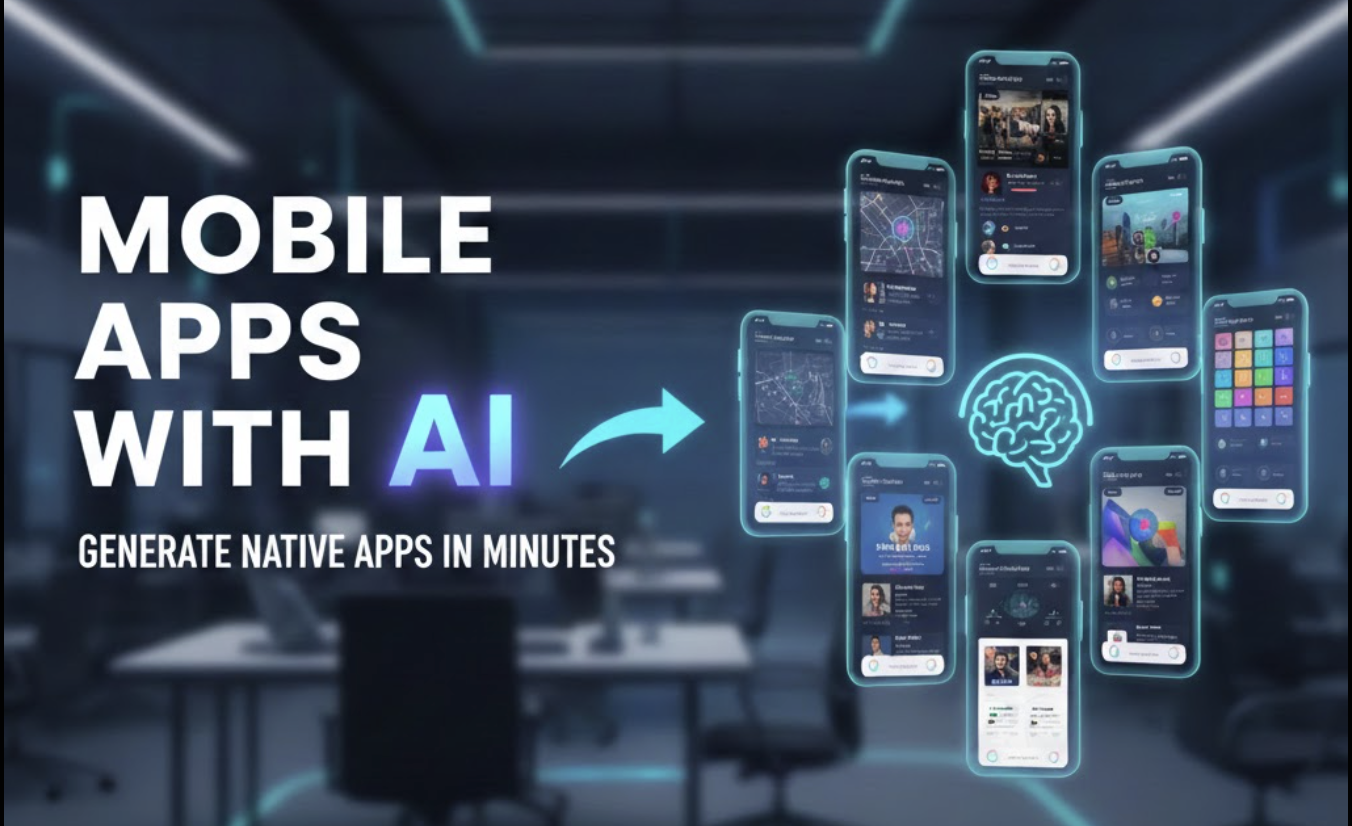
Mobile Apps with AI: Generate Native Apps in Minutes

Have You Dreamed of Becoming an App Builder? Now You Can!

Mobile app development traditionally requires extensive coding, UI/UX design, and many hours of work. But with modern AI app builders you can generate polished, native React Native/Expo apps in minutes. This post shows how I used Rork — an AI mobile app generator — to produce 8 complete React Native templates quickly. If you're searching for "React Native app builder", "AI mobile app generator", or "generate native apps", this guide gives concrete examples, file structures, and a fast way to start building.

Galio Framework - Overview & How to Use It

· 11 min read
Full Stack Developer
Last updated on October 24, 2025

galio react native framework

Galio is a UI toolkit and component framework for React Native that provides a consistent set of ready-made, themeable building blocks (buttons, cards, text, inputs, nav bars, etc.) so you can prototype and ship mobile UIs faster. The galio repository includes the core components and a lightweight theme system in src/theme (see colors.tsx, sizes.tsx, index.tsx) plus components under src/ such as Block, Button, Text, Input, Card, Avatar, NavBar and more.

Learn more on the official site: galio.io and browse the source and examples on GitHub: github.com/galio-org/galio.