React Native Biometrics With Expo LocalAuthentication

· 5 min read
Full Stack Developer
Last updated on May 17, 2026

React Native Face ID Biometrics Auth

Biometric authentication can make a React Native app feel faster and safer, but it should be designed as a local unlock step, not as a replacement for your account system. The device verifies the enrolled fingerprint or face; your app decides what to unlock after that verification succeeds.

Expo's expo-local-authentication package gives React Native apps access to Face ID, Touch ID, Android Biometric Prompt, and device passcode fallback.
React Native with AWS Amplify

· 22 min read
Full Stack Developer
Last updated on March 27, 2022

aws amplify react-native

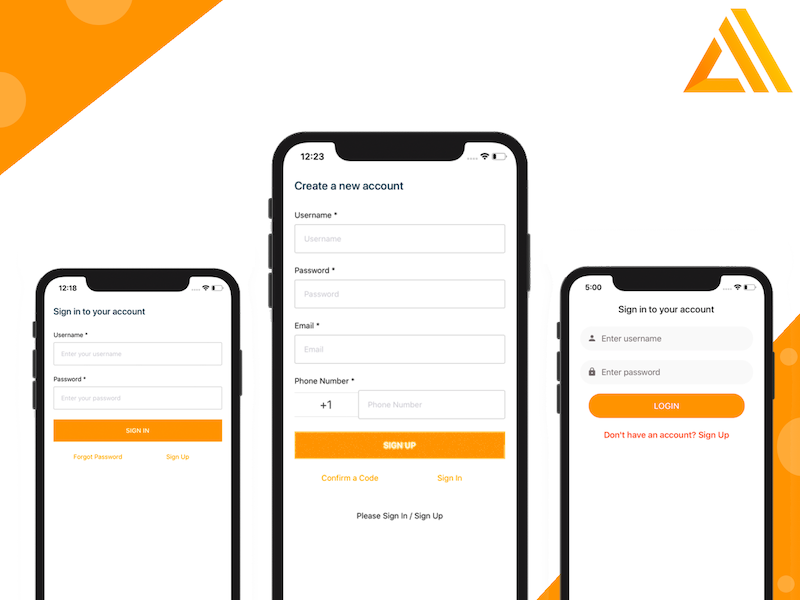
AWS Amplify is a framework that lets you develop a web or mobile application quickly, by accessing the backend cloud services offered by AWS. In this article, we are going to learn how to use AWS Amplify in React Native by building a fully functional login and registration flow. This tutorial is going to take a look at one of the most important features of a mobile application – the authentication. You know the scenario. You need to store some amount of user information (credentials) for them to get back and re-use the application rather than creating a new account. Please make sure to have an AWS account before you begin this tutorial. If you don’t, please sign up for one.

Building a Music Player in React Native

· 12 min read
Full Stack Developer
Last updated on March 17, 2022

react native music player

In today’s article we will build a React Native Music Player, to showcase how easy it is to build a music app in React Native, that is optimized for both native iOS and Android. The project we are going to build will look and behave similar to the Spotify player, that all of us are familiar with. The main goal is to have a basic app with two screens: one with a list of predefined songs and another one with the actual music player.

React Native WebView Implementation

· 8 min read
Full Stack Developer
Last updated on March 13, 2022

react native webview

In React Native WebViews enable access to any web portal in the mobile app itself. In other words, a web view allows us to open the web URLs inside the app interface. While React Native provides us with a built-it web view component, but we are going to use react-native-webview plugin in this tutorial, since it is more powerful. React Native WebView is a modern, well-supported, and cross-platform WebView for React Native.

Building Offline-First React Native Apps

· 9 min read
Full Stack Developer
Last updated on February 20, 2022

The Async Storage is a simple key-value pair based storage system in React Native. It is used for scenarios where you want to save the user’s data on the device itself instead of using any cloud service, such as building offline apps. According to the React Native’s official documentation:

On iOS, AsyncStorage is backed by native code that stores small values in a serialized dictionary and larger values in separate files. On Android, AsyncStorage will use either RocksDB or SQLite based on what is available.

Implementing Dark Mode in React Native

· 8 min read
Full Stack Developer
Last updated on February 15, 2022

react native dark mode

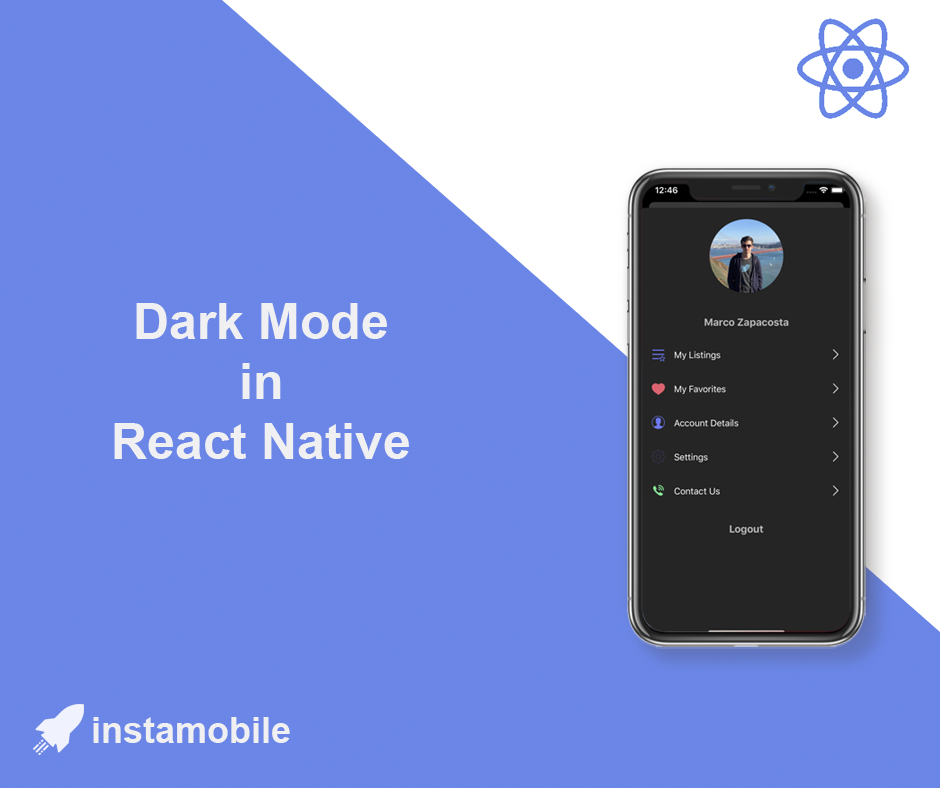
In this tutorial, we are taking a look at how to detect and support dark mode in React Native apps. You are going to build a small demo app that sets its appearance based on the platform OS. The platform OS will have two theme modes, dark or light. By default, when the app will start, it is going to have the theme based on the platform OS but the user is going have an option to toggle between the themes.